Letter Tiles and Blocks: Tools for Word Builders
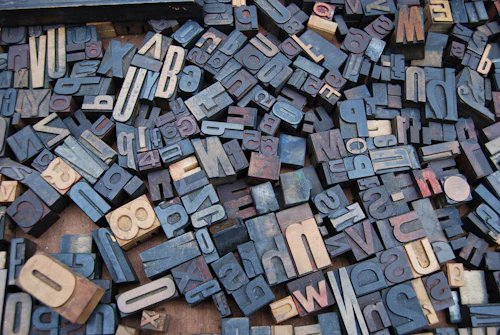
Word building activities are a fun and effective way to enhance children's language skills. By using letter tiles and blocks, children can engage in interactive and hands-on learning experiences that promote vocabulary expansion, spelling improvement, and creativity. In this post, we will explore the different types of letter tiles and blocks available for word building games, discuss effective strategies for using them, provide creative ideas to engage children, and recommend resources for acquiring these valuable tools.
Types of Letter Tiles and Blocks:
There are various types of letter tiles and blocks that can be used for word building activities. Magnetic letter tiles are a popular choice as they can easily be arranged on magnetic surfaces, such as a whiteboard or a cookie sheet. Foam letter tiles are lightweight and often come in bright colors, making them visually appealing to children. Wooden letter blocks are durable and can withstand frequent use. Additionally, there are digital versions of letter tiles available in educational apps and websites, providing a virtual word building experience.
Effective Use of Letter Tiles:
When using letter tiles for word building, it is important to provide children with a clear focus and purpose. Begin by introducing a specific set of letters and encourage children to construct words using those letters. Start with simple words and gradually increase the complexity as their skills develop. Use word prompts or picture cards to inspire word creation and guide their learning. Engage in interactive activities, such as word races or word building challenges, to make the experience more exciting and competitive.
Enhancing Word Building Skills with Blocks:
Letter blocks offer a tactile and three-dimensional approach to word building. Children can manipulate the blocks, stack them, and rearrange them to form words. To enhance word building skills with blocks, encourage children to physically arrange the blocks to match the letters in a given word. They can also use different colors or patterns to represent vowels and consonants, helping them visually distinguish the components of words. Incorporate kinesthetic activities, such as building word towers or spelling words with body movements, to make the learning process engaging and memorable.
Creative Ideas for Engagement:
To keep children engaged and motivated during word building activities, it is important to provide a variety of experiences. Here are some creative ideas:
Word Scavenger Hunt: Hide letter tiles or blocks around the room and challenge children to find them and construct words.
Word Collage: Provide magazines or newspapers and ask children to cut out letters and create words on a poster or a cardboard.
Storytelling with Words: Have children build words and use them to create their own stories or sentences.
Word Relay Race: Divide children into teams and have them race to construct words using letter tiles or blocks.
Recommended Resources:
There are several resources available for acquiring letter tiles and blocks. Local educational supply stores often carry a variety of options. Online retailers such as Amazon and educational websites dedicated to learning resources are also great places to find a wide selection of letter tiles and blocks. Additionally, many educational apps and websites offer virtual letter tile experiences that can be accessed through tablets, computers, or smartphones.
Letter tiles and blocks are valuable tools for word building activities that promote language development and literacy skills in children. By exploring the different types of letter tiles and blocks, using effective strategies, incorporating creative ideas, and accessing recommended resources, parents and educators can create engaging and impactful word building experiences for children. These activities not only enhance vocabulary and spelling but also foster a love for language and a lifelong passion for learning.
kolishencan "The Fluent Mind"


Comments
Post a Comment